

I've always been drawn to the detailed patterns and calming effects of mandalas. These symbols have been important in many cultures for a long time. They help with spiritual growth, self-reflection, and creativity.
Exploring mandala coloring showed me its healing side. Creating and coloring these designs can be very soothing. It's why many adults enjoy it as a way to relax and express themselves creatively.
Using adult mandala coloring sheets is a great way to unwind and explore your creativity. With the right mindset, you can fully enjoy the benefits of mandala coloring pages.
Key Takeaways
- Discover the history and cultural significance of mandalas
- Explore the therapeutic benefits of mandala coloring
- Learn how to use adult mandala coloring sheets for relaxation and creativity
- Unlock your creative with mandala coloring pages
- Find out how mandalas can be used for self-reflection and personal growth
The Ancient Art of Mandalas: Origins and Significance
https://www.youtube.com/watch?v=2fopW-rzIJs
Mandalas have been a key part of spiritual practices for centuries. They have captivated artists and followers with their detailed patterns. The cultural meaning of mandalas is deep, showing a mix of spiritual and cultural symbols that go beyond their beauty.
Cultural Roots of Mandala Art
The art of mandalas is old, with roots in the spiritual traditions of many cultures. This includes Tibetan Buddhism and Hinduism. These cultures use mandalas for spiritual expression and meditation.
Tibetan Buddhist Traditions
In Tibetan Buddhism, mandalas show the universe. They are tools for meditation and spiritual growth. Making a mandala is seen as a way to show devotion, with patterns symbolizing different parts of Buddhist cosmology.
Hindu Symbolism and Practices
In Hinduism, mandalas are used in rituals and meditation. They symbolize the bond between the individual and the divine. The detailed designs represent various deities and cosmic elements, important in spiritual practices.
| Culture | Significance of Mandalas | Usage in Spiritual Practices |
|---|---|---|
| Tibetan Buddhism | Representation of the universe | Meditation and spiritual growth |
| Hinduism | Connection between individual and divine | Rituals and meditation |
The cultural importance of mandalas shows their lasting role in human culture. They act as a bridge between the spiritual and the physical worlds.
The Psychology Behind Mandala Coloring

Mandalas have been used for centuries in many cultures. They are known for their meditative properties. Their circular designs and detailed patterns make them special.
Carl Jung's Perspective on Mandalas
Carl Jung, a famous psychologist, saw mandalas as a way to unite the mind. He thought creating mandalas could help people find balance and wholeness. "The mandala represents the unity of the self, a symbol of the integration of the unconscious and conscious mind," Jung said.
How Circular Art Affects the Brain
Mandalas' circular design calms the brain, leading to a meditative state. This state can lower stress and anxiety. Coloring mandalas can be therapeutic, helping people relax and focus.
Studies show mandala coloring has many psychological benefits. It can improve focus and concentration. Understanding mandalas' impact can help us use them for mental health.
Exploring Different Types of Mandala Coloring Pages

The world of mandala coloring is vast and diverse. It offers a wide range of designs for every taste and skill level. Whether you're new or experienced, there's something for everyone.
Geometric and Mathematical Patterns
Geometric and mathematical mandalas are very popular. They feature shapes and lines that create symmetry and order. These mandalas are visually stunning and help improve precision and detail.
Nature-Inspired Mandala Designs
Nature-inspired mandalas use elements like flowers and animals. They have organic shapes and flowing lines. These mandalas are calming to color and connect us to nature.
Cultural and Spiritual Variations
Mandalas have been used in many cultures and traditions. They show the rich cultural heritage of different societies. From Celtic knotwork to Native American medicine wheels, each mandala offers a unique glimpse into history.
Celtic Knot Mandalas
Celtic knot mandalas have beautiful interlacing patterns. They often include animals and plants. These designs are not just pretty; they hold deep cultural meaning.
Native American Medicine Wheels
Native American medicine wheels symbolize the connection of all things. They have a central hub surrounded by spokes. Coloring these mandalas helps us connect with their spiritual significance.
Exploring printable mandala designs can inspire your coloring. You'll find mandalas that appeal to your love of precision, nature, or cultural symbols. There's a mandala out there for you to color.
Essential Tools for Your Mandala Coloring Journey

Starting my mandala coloring journey taught me the value of the right tools. The quality of your coloring and the final artwork greatly depend on the mediums you pick.
Coloring Mediums: From Pencils to Markers
The wide range of coloring tools can be confusing. But knowing their features helps you choose wisely. Colored pencils are a favorite for mandalas because they're versatile and easy to use.
Best Colored Pencils for Blending
For blending, I suggest using top-notch colored pencils. Faber-Castell Polychromos or Prismacolor Premier are great. They have deep colors and blend well.
- Faber-Castell Polychromos: Soft, light-fast, and durable
- Prismacolor Premier: Rich colors and excellent blending capabilities
Alcohol vs. Water-Based Markers
Markers are also popular for mandala coloring. Alcohol-based markers like Copic or Prismacolor give bright colors and dry fast. Water-based markers are easier to blend and more forgiving.
| Marker Type | Characteristics |
|---|---|
| Alcohol-Based | Vibrant, quick-drying, blendable |
| Water-Based | Forgiving, easy to blend, water-soluble |
Choosing between these mediums depends on your personal taste and the look you aim for in your mandala.
Color Theory Mastery for Breathtaking Mandalas

Mastering color theory is key to making stunning mandalas. As I explore mandala coloring, I've learned that color theory is vital. It takes your art to amazing levels.
Understanding the Color Wheel for Mandalas
The color wheel is a basic tool in color theory. It shows colors in a circle. It helps us see how colors work together and how to mix them.
For mandalas, the color wheel is great for making color schemes that look good together.
Creating Harmony with Complementary Colors
Complementary colors are pairs that are opposite each other on the color wheel. Using these colors in mandalas creates a strong contrast. For example, blue and orange together make a design pop.
Advanced Color Schemes
After learning the basics, you can try more complex color schemes. These include monochromatic gradients and split complementary techniques. They add depth and interest to your mandalas.
Monochromatic Gradients
A monochromatic scheme uses different shades of one color. Gradients in this scheme make your mandalas look smooth and connected.
Split Complementary Techniques
The split complementary technique pairs a color with the two colors on either side of its opposite. This makes your mandalas lively and engaging.
Using these color theory tips, you can make mandalas that are not just pretty but also balanced and striking. Try out different color schemes and techniques to find what works best for you.
Where to Find the Best Mandala Coloring Pages

Many people search for unique mandala designs in various places. They look in premium coloring books and online printables. Whether you're new to coloring or have been doing it for a while, finding high-quality mandala pages can make your experience better.
Premium Mandala Coloring Books Worth Investing In
Premium mandala coloring books are a good investment for your hobby. They have detailed designs and high-quality paper. Brands like Mandala Coloring Book and Johannes Widmaler are known for their complex patterns and beautiful artwork. These books are ideal for those who love detailed designs.
Free Printable Resources Online
If you're on a budget or want to try different styles, the internet has many free mandala coloring pages. Websites like Pinterest and coloring sites offer a variety of designs. You can print them at home. These resources are perfect for trying out different styles without spending money.
Artist-Created Collections
Many artists sell their mandala coloring books and pages. They offer unique mandala designs that you can't find elsewhere. Buying from these artists is a great way to support them and get exclusive content.
Independent Artists to Follow
Platforms like Etsy and Redbubble have many independent artists selling mandala coloring pages. Following these artists can help you find new and exciting designs.
Limited Edition Designs
Some artists release limited edition designs. These mandalas are special and collectible. Looking out for these can make your coloring more exciting.
By exploring different sources, you can always find new and exciting mandala designs to color.
Beyond Traditional Coloring: Mixed Media Mandala Techniques

Want to make your mandalas more creative? Try adding mixed media elements. This makes them look and feel special. It's a way to mix traditional coloring with other art forms, making each mandala unique.
Incorporating Watercolor Elements
Watercolor can make your mandalas look amazing. First, pick the right paper. It should handle water without getting soggy.
Wet-on-Dry Techniques
Using wet-on-dry techniques is easy. It means putting wet watercolor on dry paper or vice versa. This method is fun and unpredictable, adding a special touch to your art.
Salt Texture Effects
Want texture? Try using salt on your watercolor mandalas. Sprinkle salt on wet paint and let it dry. The salt makes cool patterns as it absorbs the color.
Adding Metallic and Glitter Accents
Looking for sparkle? Metallic and glitter accents are perfect. Use metallic pens, glitter glue, or small metallic paper pieces in your design.
For more colorful mandala pages, check out our collection. It's full of ideas to inspire your mixed media art.
Mixed media techniques let you go beyond traditional mandala coloring. You can make art that's not just beautiful but also textured and dimensional.
The Therapeutic Benefits of Mandala Coloring

Coloring mandalas can open up a world of benefits. It helps people relax and lowers stress levels.
Stress Reduction and Mindfulness
Mandala coloring is a mindfulness activity. It helps people stay in the moment, forgetting past or future worries. This is key to reducing stress and anxiety.
Improving Focus and Concentration
Mandalas have detailed patterns that need focus. This improves concentration and cognitive skills with regular practice.
Self-Expression Through Color Choices
Choosing colors for mandalas is a way to express oneself. It's not just pretty but also helps in healing.
What Your Color Preferences Reveal
Color choices can show what a person is like. For example, blue might show a need for calmness.
Using Color for Emotional Healing
Colors can heal emotions too. Red boosts energy, and green brings balance.
Carl Jung said mandalas show the whole self. This is seen in the healing benefits of mandala coloring.
"The creation of something beautiful can be a powerful antidote to stress and anxiety."
In summary, mandala coloring offers many benefits. It reduces stress, improves focus, and helps in self-expression and emotional healing.
Creating Your Own Mandala Designs From Scratch

Making mandalas from scratch is a fun and rewarding journey. It mixes geometry, art, and self-expression. You'll enjoy watching your designs come to life.
Basic Geometric Principles
Mandalas rely on basic geometry like symmetry, tessellations, and shapes like circles and triangles. Knowing these principles helps make your mandalas balanced and beautiful.
First, learn about symmetry, the heart of mandala design. Symmetry can be found through reflection, rotation, or translation. Playing with these patterns will make your mandalas stand out.
Tools for Mandala Creation
The tools you choose can greatly affect your mandala-making. You can use traditional tools like compasses and rulers, or digital tools like software and apps.
Compass and Ruler Techniques
Compasses and rulers are classic tools for precise mandalas. Compasses draw perfect circles, and rulers help with straight lines and measurements.
Digital Design Software Options
If you like digital art, there are many software options like Adobe Illustrator and CorelDRAW. These tools make creating detailed mandalas easy.
| Tool | Traditional/Digital | Usefulness |
|---|---|---|
| Compass | Traditional | Drawing perfect circles |
| Ruler | Traditional | Measuring proportions and drawing straight lines |
| Adobe Illustrator | Digital | Creating complex and detailed designs |
By using basic geometry and the right tools, you can unleash your creativity. Whether you use traditional methods or digital software, the secret to making stunning mandalas is understanding the design principles and practicing often.
Digital Mandala Coloring: The Virtual Canvas

I'm excited to dive into digital mandala coloring. It's a new way to enjoy traditional mandala art.
Digital mandala coloring is easy and clean. You can try out different techniques and effects that are hard with real materials.
Top Apps for Tablet Mandala Coloring
Many apps are popular for digital coloring. Here are some top picks:
- Procreate: A powerful app for detailed digital art.
- Adobe Draw: Great for mandala design with vector tools.
- Autodesk Sketchbook: Offers a natural drawing feel with many brushes.
Websites for Interactive Mandala Experiences
There are also websites for interactive mandala coloring. These sites let you color digital mandalas. They often have auto-save and lots of color options.
Digital vs. Traditional: Pros and Cons
Digital mandala coloring is convenient and flexible. But traditional coloring has its own special appeal. Here's a look at both:
| Aspect | Digital | Traditional |
|---|---|---|
| Mess | No mess | Potential for mess |
| Flexibility | Easy to undo and redo | Limited ability to undo |
| Storage | Digital storage, easily shareable | Physical storage required |
In conclusion, digital mandala coloring is a great option. It offers unique benefits and creative freedom.
Seasonal and Themed Mandala Coloring Pages
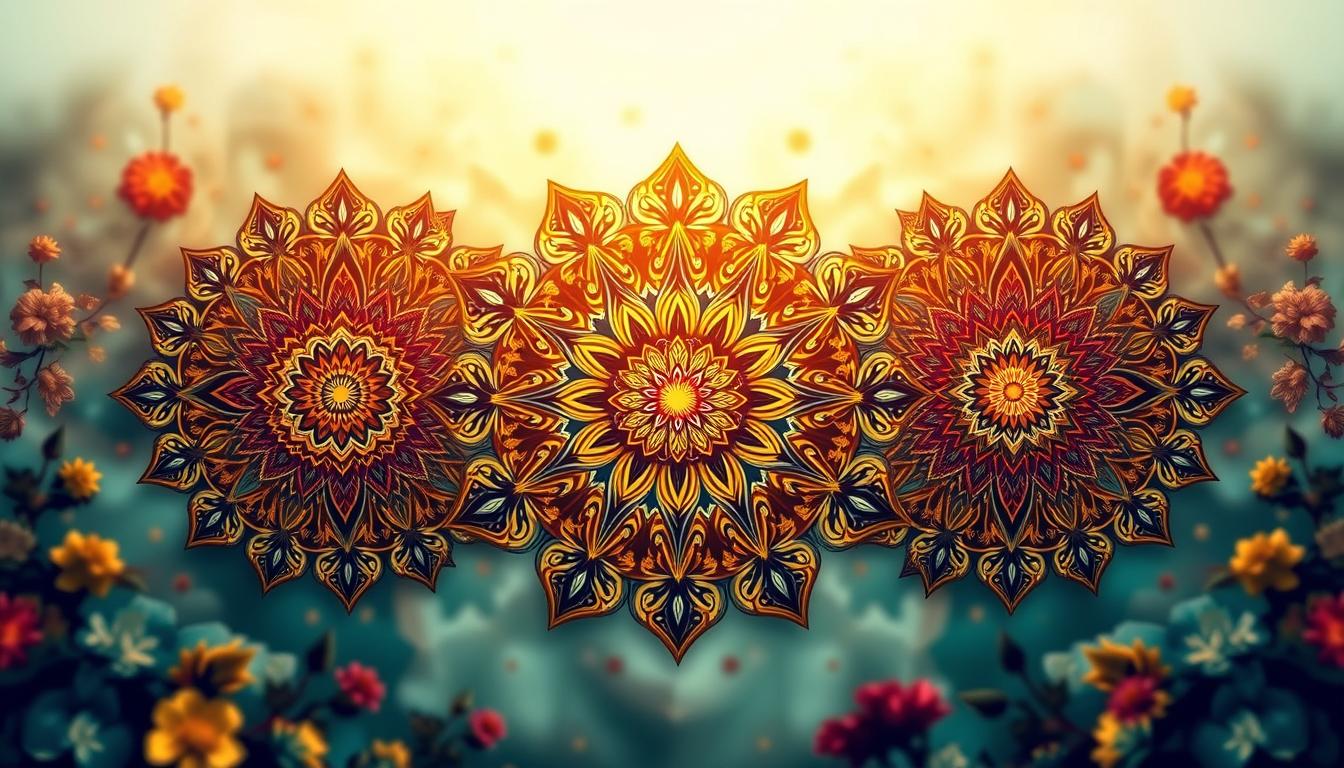
Seasonal and themed mandala coloring pages add variety to your coloring routine. They keep your creativity fresh and connect you to the world. It's a fun way to explore different themes and designs.
Choosing mandalas based on the season or theme you like is exciting. You can pick from summer's warmth, winter's coziness, or spring's colors. There's a mandala for every season.
Holiday-Inspired Designs
Holiday mandalas are a great way to celebrate all year. You can find designs for Christmas, Halloween, and Easter. They offer a fun way to express your festive spirit.
- Christmas and New Year mandalas often feature snowflakes, stars, and ornaments.
- Halloween mandalas might include spooky creatures, pumpkins, and other autumnal symbols.
- Easter-themed mandalas are decorated with eggs, bunnies, and spring flowers.
Nature and Animal Mandalas
Nature and animal mandalas bring the outdoors into your coloring book. They show the beauty of nature and help you relax. These designs connect you to the environment.
Floral Patterns and Symbolism
Floral mandalas are full of symbolism. Different flowers mean different things. Roses symbolize love, and lilies represent purity and renewal.
Wildlife and Creature Mandalas
Wildlife mandalas feature animals in detailed designs. You can find everything from lions and eagles to unicorns and dragons. They are both realistic and whimsical.
| Theme | Common Symbols | Symbolism |
|---|---|---|
| Spring Florals | Tulips, daffodils, cherry blossoms | Renewal, hope, beauty |
| Woodland Creatures | Owls, foxes, deer | Wisdom, cunning, gentleness |
In conclusion, themed mandala coloring pages are a fun and engaging activity. They let you explore different themes and designs. This way, you can deepen your connection to the art and the world.
Creative Coloring Techniques for Mandala Art

To make your mandala coloring better, try different techniques. It's not just about coloring; it's an art that needs skill and patience.
Shading and Highlighting Methods
Learning to shade and highlight can make your mandalas look more real. Changing the color's intensity can make them seem three-dimensional.
Three-Dimensional Effects
To get a 3D look, play with light and dark. Darker colors can make parts seem far away, while lighter ones can make them pop.
Light Source Considerations
Think about where the light comes from when shading. Pick a light direction and stick to it for a believable look.
| Technique | Description | Effect |
|---|---|---|
| Gradual Shading | Smooth transition from one color shade to another | Creates a realistic, nuanced appearance |
| Contrasting Colors | Using colors that are opposite each other on the color wheel | Makes the design pop and captures attention |
| Layering Colors | Applying multiple layers of color | Adds depth and complexity to the mandala |
Pattern-Within-Pattern Approaches
Creating patterns inside patterns is another way to make mandalas stand out. It adds details and makes the design more interesting.
Using these techniques can make your mandala art look amazing. It shows off your creativity and skill.
Displaying and Preserving Your Finished Mandala Artwork

After you finish coloring your mandala, you might wonder how to display and preserve it. Your artwork is special and deserves to be shown and kept safe for a long time.
Framing Techniques for Colored Mandalas
Framing is a great way to show off your mandala. To keep your colored mandalas looking good, use acid-free materials and UV-filtering glass. This helps prevent fading.
- Choose a frame that matches your mandala's colors and style
- Use a mat board for depth and contrast
- Think about a shadow box for more dimension
Creating a Mandala Art Journal
Another great way to keep and show your mandalas is in an art journal. You can have a journal for your favorite mandalas or a themed collection.
To start a mandala art journal, pick a good-quality journal that can hold your artwork. Then, organize your mandalas in a way that makes sense to you, like by date, theme, or color.
Digital Preservation Methods
There are also digital ways to keep your artwork safe and easy to access.
Scanning Tips for Best Results
When scanning your mandalas, use a high-resolution scanner to catch all the details. Make sure to adjust the settings for the best color and contrast.
Tips for scanning:
- Use a high DPI setting (at least 300)
- Save in a lossless format like TIFF or PNG
- Edit the scan to adjust brightness and contrast if needed
Creating Digital Portfolios
Organize your digital mandalas into portfolios or albums, on your computer or through cloud storage. This makes it easy to share your work and track your progress.
By using these methods, you can enjoy your mandala artwork for years, both in print and digitally.
Mandala Coloring Communities and Sharing

Exploring mandala coloring, I found joy in connecting with others who love it as much as I do. Being part of a mandala coloring community has improved my skills and given me a sense of belonging.
Mandala coloring communities are great for sharing your art, learning from others, and staying inspired. You can join by hosting coloring parties or participating in online forums.
Hosting Mandala Coloring Parties
Hosting a mandala coloring party is a wonderful way to bring people together. You can hold these events at community centers, libraries, or even at home. Here are some tips to make your event a hit:
- Choose a theme or specific mandala design to focus on.
- Provide a variety of coloring materials for guests to use.
- Encourage sharing and discussion among participants.
Online Communities and Social Media Groups
The internet is full of mandala coloring communities and social media groups. These platforms are perfect for sharing your work, getting feedback, and staying updated on trends. Facebook groups and Reddit forums are popular spots for mandala coloring.
Collaborative Mandala Projects
Collaborative mandala projects are fun and creative. They involve many artists working together on a single piece or theme. You can find these projects online or start your own and invite others to join.
| Community Type | Benefits | How to Join |
|---|---|---|
| In-person coloring parties | Social interaction, sharing techniques | Host or attend local events |
| Online forums and social media | Global connections, feedback, inspiration | Join Facebook groups, Reddit forums |
| Collaborative projects | Creative collaboration, unique outcomes | Participate in online collaborative projects |
Engaging with mandala coloring communities can make your experience better. You'll learn new things, share your passion, and connect with others. Whether you like in-person events or online groups, there's a community for you.
Embracing the Endless Circle of Creativity
Reflecting on mandalas, I see how they deeply impact our lives. Mandala coloring lets us express ourselves and relax. It's a way to connect with our creativity.
My journey with mandalas has been full of discovery. I've learned about their cultural importance and tried different coloring methods. Mandalas are for everyone, whether you're an experienced artist or just starting.
Keep exploring mandalas and let your creativity shine. Each new design brings new ways to express yourself. Making mandalas a part of your day can bring calm and balance to your life.
FAQ
What are the benefits of coloring mandalas?
Coloring mandalas can help you relax and focus better. It's a way to express yourself and practice mindfulness.
What is the significance of mandalas in different cultures?
Mandalas hold deep meaning in cultures like Tibetan Buddhism and Hinduism. They symbolize the connection between the universe and ourselves.
What are the best coloring mediums for mandalas?
Great mediums for mandalas include colored pencils, markers, and crayons. Each offers a unique look, depending on what you like.
How do I choose the right colors for my mandala?
Learning about the color wheel helps pick harmonious colors. Try different combos to find your favorite.
Can I create my own mandala designs?
Yes, you can make your own mandalas using simple shapes and tools. Digital tools can also help with detailed patterns.
What are some tips for displaying and preserving finished mandala artwork?
To show off your mandalas, frame them or make an art journal. Use acid-free materials and UV-filtering glass for framing.
Are there any online communities or resources for mandala coloring?
Yes, many online groups and websites are dedicated to mandala coloring. You'll find free prints, books, and artist inspiration.
Can I use digital tools for mandala coloring?
Yes, digital tools like apps and websites are great for coloring mandalas. They're flexible, but some artists like traditional methods better.
How can I enhance my mandala coloring experience?
Try new techniques like shading and add mixed media like watercolor. This can make your mandalas even more special.
What are some creative ways to use mandalas?
Mandalas can decorate your space, fill art journals, or help with stress. You can also make them together or host coloring parties.